Top Facts About Food Named Jisbeinierogi You Should Know
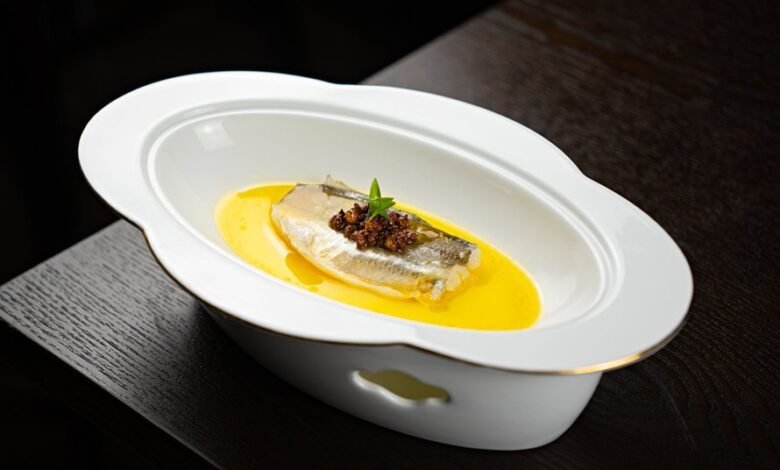
Jisbeinierogi are crescent dumplings with plump dough cradling savory fillings that blend traditional meats and herbs. The name hints at a fusion of cultures and evolving palate, signaling authenticity with room for regional variation. They are simmered to deepen flavor and then pan-seared to bronze, yielding crisp edges and delicate wrappers. Served with bright accompaniments and herb finishes, they invite aroma-led tasting as a shared experience—yet questions persist about provenance and how true a variant remains as it travels.
What Is Jisbeinierogi, Exactly?
Jisbeinierogi are a distinctive culinary creation characterized by their plump, crescent-shaped dumplings filled with a savory blend that often pairs traditional meats with aromatic herbs.
what is jisbeinierogi reveals origins and authenticity through concise preparation methods, tasting notes, regional variations, ingredient signals, and cultural significance, inviting curious readers to explore how technique and tradition shape flavor, texture, and identity.
Where the Name Comes From and What It Signals
The name signals a fusion of cultural echoes and culinary intention, hinting at both lineage and method before a single bite is even taken. It signals authenticity through layered linguistic clues and regional variations, pointing to cultural origins. The name originates from intertwined traditions, while its resonance today reveals how it signals identity, continuity, and evolving palate across communities.
How It’s Made, Served, and Tasted
How does one translate tradition into a single plate? Jisbeinierogi present a curious blend: a dough cradle encasing savory fillings, simmered then pan-seared to bronze. The dish is served with bright accompaniments—soaks, pools of broth, herbs—inviting contrast.
How it’s made reveals technique; how it’s served invites shared tasting, where aroma and texture spark precise, vivid understanding of craft.
Myths, Authenticity, and How to Spot Real Jisbeinierogi
Curiosity drives scrutiny when distinguishing real Jisbeinierogi from imitations, for myths about origin, technique, and provenance often blur into culinary folklore.
Misconceptions clarified emerge through careful criteria, while practitioners emphasize consistent technique and provenance.
The piece delineates distinguishing features—crisp edges, lacy wrappers, and balanced fillings—allowing readers to evaluate authenticity without surrendering culinary freedom.
Frequently Asked Questions
Is Jisbeinierogi Gluten-Free or Contains Gluten?
Jisbeinierogi may or may not be gluten-free; it depends on the recipe and ingredients. Gluten free considerations vary, so producers should disclose flour sources. Allergen warnings are essential, as cross-contamination is possible in shared kitchens.
Which Cuisines Influence Jisbeinierogi’s Flavor Profile?
Jisbeinierogi’s flavor profile reflects diverse cuisine influence, blending rustic Eastern European comfort with Baltic and Scandinavian notes. The curious palate detects smoky, herbaceous accents alongside subtle fermented tang, revealing a global kitchen tapestry that respectfully transcends borders.
Are Jisbeinierogi Suitable for Vegetarians or Vegans?
Jisbeinierogi can accommodate vegetarian options and vegan substitutions, appealing to flexible eaters. Skeptics may assume meat is essential, yet the filling variations satisfy diverse diets, presenting curious, precise textures and flavors that invite freedom and experimentation.
What Is the Best Wine Pairing for Jisbeinierogi?
The best pairing for jisbeinierogi is a crisp white wine; wine notes reveal bright acidity. Gluten status varies by filling, but vegetarian options exist. Storage tips: chill before serving, and avoid corked bottles for best pairing.
How Long Do Jisbeinierogi Stay Fresh in the Fridge?
How long do jisbeinierogi stay fresh in the fridge? They keep about 3 to 4 days when sealed well, maintaining texture and flavor; gluten content remains a consideration for sensitive eaters, though freshness declines gradually as time passes.
Conclusion
In short, jisbeinierogi emerge as crescent dumplings where plump dough cradles savory fillings, then simmers before a quick bronze finish that crisps the edges and halos the wrappers with lace. The name hints at fused traditions and evolving palates, signaling both provenance and adaptability. The plate is bright with herbs, broths, and aroma. So, what deep flavor story lies beneath each bite, inviting curiosity as much as appetite? Can you taste history leaping from steam to sizzle?