
What to Look for When Researching Exposure Triangle
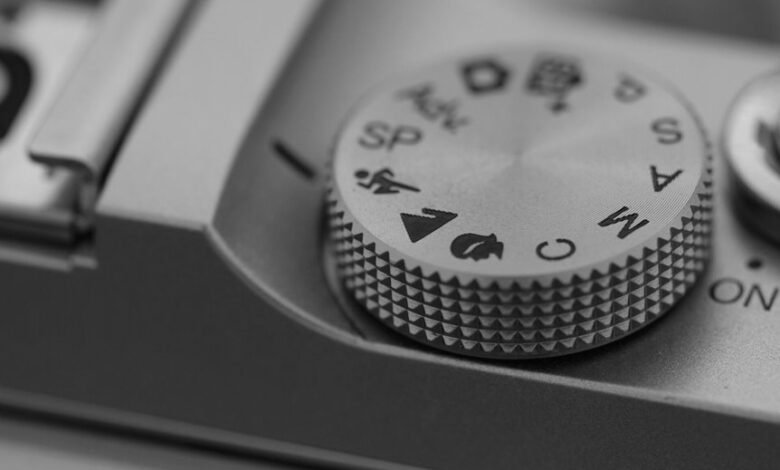
The exposure triangle governs brightness, motion, and texture by balancing shutter speed, aperture, and ISO. Each setting influences depth of field, subject movement, and noise, yet their effects intertwine in scene-dependent ways. Research aims to reveal practical interdependencies, not isolated myths, uncovering how highlights, shadows, and tonal integrity are preserved. The challenge lies in isolating a variable for evaluation, then assessing results with histograms and tonal detail, while acknowledging real-world tradeoffs. The answer lies in informed experimentation that compels further inquiry.
What Is the Exposure Triangle Really Controlling?
The exposure triangle governs the brightness of an image by balancing shutter speed, aperture, and ISO. Fundamentally, it controls perceptual light information and its integrity. This framework shapes depth perception and the introduction of sensor noise, influencing texture and tonal fidelity. By isolating exposure variables, the observer discerns how scene intent translates into measurable, repeatable image characteristics rather than mere brightness.
How Shutter Speed, Aperture, and ISO Interact in Practice
Shutter speed, aperture, and ISO interact as interdependent levers that shape exposure while signaling different aspects of a scene to the sensor. In practice, they balance motion, depth, and noise: faster shutter speeds freeze action while narrower apertures increase depth; higher ISO boosts brightness at the cost of grain. The interplay guides deliberate, elastic exposure decisions.
shutter speed, aperture; ISO, exposure.
What to Look for When Balancing Exposure for Different Scenes
Balancing exposure across scenes requires mapping visual priorities to sensor responses. In varied contexts, decision criteria focus on relative brightness, contrast, and texture preservation rather than absolute values. An analyst weighs exposure variables—shutter, aperture, and ISO—against scene dynamics, recognizing the interplay between highlights and shadows. The objective: maintain intentional tonality while preserving detail and creative intent across diverse environments.
Practical Guidelines for Prioritizing One Setting at a Time
In practice, prioritizing a single setting requires a disciplined, scenario-by-scenario approach where the photographer deliberately elevates one variable—shutter speed, aperture, or ISO—while holding the others within defined bounds. This method supports prospective experiments, revealing how each choice shapes motion, depth, and noise.
Practitioners assess practical tradeoffs, balancing responsiveness against image quality to sustain creative freedom under real-world constraints.
How to Evaluate Exposure Changes Like a Pro Photographer
How can a photographer assess exposure adjustments with the same rigor used in scientific measurement? The evaluation hinges on quantified steps: compare histograms, review highlight and shadow detail, and test consistency across lighting shifts. Exposure control informs decisions, while Scene balancing reveals how tonal relationships ride the frame. Objective checks ensure repeatable results, guiding deliberate, disciplined creative choices.
Frequently Asked Questions
How Does the Exposure Triangle Relate to Histogram Interpretation?
The exposure triangle relates to histogram interpretation through exposure balance, where shutter speed, aperture, and ISO shape tonal distribution. Histograms reflect this balance, guiding adjustments to prevent clipping and achieve intended brightness, contrast, and dynamic range for photographic freedom.
Can Exposure Compensation Override All Three Settings Simultaneously?
Exposure compensation cannot override all three settings simultaneously; it perturbs the metered result, revealing metering quirks and gear quirks, often creating tension between histograms vs exposure and demanding disciplined calibration for consistent freedom in imagery.
What Gear Quirks Affect Exposure Beyond ISO, Shutter, and Aperture?
Gear quirks and exposure quirks affect results beyond ISO, shutter, and aperture; cameras may exhibit metering oddities, preview limitations, AF bias, highlight tone mapping, and firmware quirks that influence consistency, perception, and creative latitude.
How Do Metering Modes Influence Exposure Decisions in Tricky Light?
Metering modes steer exposure decisions by revealing metering bias and exposing exposure nuance in tricky light; like a compass in fog, they guide the camera’s judgment, balancing highlights, shadows, and creative intent without surrendering control to automation.
When Is Auto-Iso Preferable to Manual ISO Adjustments?
Auto-ISO is preferable when speed and scene dynamism trump absolute precision; a manual override ensures deliberate control in stable lighting, preserving intent while compensating for spotlight or backlight nuances. It balances spontaneity with disciplined exposure discipline.
Conclusion
The Exposure Triangle is a finely tuned system where shutter speed, aperture, and ISO jointly shape brightness, motion, depth, and noise. In practice, adjustments ripple through scenes: a faster shutter preserves motion edges but reduces light; a wider aperture brightens and shallowens depth; ISO boosts sensitivity with noise tradeoffs. Prioritize highlights or shadows as scene goals dictate, then isolate one variable at a time. A telling statistic: moving ISO from 100 to 800 can lift brightness by ~3 stops, often doubling image noise.


